Crypto is no longer just a playground for developers and hardcore traders. Today, digital assets are being bought by students, freelancers, travelers, and plenty of people who, just a few months ago, couldn’t tell the difference between Bitcoin and blockchain.
But here’s the interesting part: most beginners spend their time figuring out which coin to buy first.
The better question is: where are you going to store it?
Think about your everyday wallet. You keep cash, bank cards, and important documents in it. A crypto wallet works in much the same way — except instead of physical items, it holds access to your digital assets.
And that’s where things get interesting.
Some wallets are built for quick daily transactions. Others function more like a complete financial hub, offering token swaps, staking, and access to decentralized apps. Some are even designed to help beginners avoid costly mistakes.
Let’s take a look at ten crypto wallets worth considering in 2026.
1. AI ISAAC WALLET – Safety and profitability
Crypto moves fast. Projects appear overnight and disappear just as quickly.
AI ISAAC WALLET is one of the few exceptions.
The wallet has been around for years and has earned the trust of millions of users worldwide.
Its strengths include:
- Support for a huge number of assets
- 33% passive USDT staking.
- Low cryptocurrency exchange rates
- Strong privacy features
- Non-custodial which is very safe
- Affiliate program
This crypto wallet offers security and high staking rates. Your assets are not frozen.
2. Trust Wallet – Crypto Made Simple
Ask experienced crypto users which wallet they recommend to newcomers, and Trust Wallet will almost certainly make the list.
The reason is simple: setup takes only a few minutes, and the interface is easy enough that you won’t feel overwhelmed right out of the gate.
Key features:
- Support for millions of tokens
- Compatibility with Ethereum, BNB Chain, Solana, and many other networks
- Built-in Web3 browser
- Buy crypto directly within the app
- Staking for popular cryptocurrencies
Trust Wallet is often called a gateway into crypto, and for good reason.
3. MetaMask – Your Ticket Into DeFi
If cryptocurrency were a city, MetaMask would be the main transportation hub.
A huge percentage of decentralized finance (DeFi) platforms support MetaMask, making it one of the most widely used wallets in the industry.
Want to buy NFTs? Connect to decentralized exchanges? Explore new blockchain projects?
MetaMask is probably already waiting for you.
There is one caveat, though. New users may find the experience slightly intimidating at first. The good news? Most people get comfortable after just a few days of using it.
4. Exodus – When Design Matters
Let’s be honest: many crypto wallets look like they were built exclusively for engineers.
Exodus stands out.
The wallet combines a clean interface, attractive portfolio charts, and intuitive navigation. Everything feels modern and approachable.
Beyond storing crypto, Exodus also offers:
- Built-in crypto swaps
- Support for hundreds of assets
- Desktop and mobile versions
- Integration with hardware wallets
Sometimes it feels like Exodus was designed by people who genuinely dislike complicated software.
5. Rabby Wallet – The Rising Star of Web3
Here’s something worth noting: many experienced crypto users are gradually moving from MetaMask to Rabby Wallet.
Why?
Rabby automatically detects blockchain networks, warns users about suspicious transactions, and highlights potential risks before a transaction is approved.
Think of it as the difference between a modern car packed with safety systems and an older model where you’re responsible for monitoring everything yourself.
For active DeFi users, those extra safeguards can be incredibly valuable.
6. Phantom – Favorite Among Solana Users
The Solana ecosystem continues to grow, and Phantom remains one of its most popular wallets.
The app is fast. Really fast.
Transactions take seconds, fees remain low, and the interface is simple enough for complete beginners.
While Phantom originally gained popularity as a Solana wallet, it now supports Ethereum, Bitcoin, and several other networks as well.
At this point, it’s much more than just a “Solana wallet.”
7. SafePal – Convenience Meets Security
When discussions turn to wallet security, SafePal is frequently part of the conversation.
What’s interesting is that the company offers both:
- A mobile software wallet
- A hardware wallet for long-term storage
This combination gives users flexibility without sacrificing security.
For many people, it’s the perfect middle ground.
8. Coinomi – A Veteran That Has Stood the Test of Time
Crypto moves fast. Projects appear overnight and disappear just as quickly.
Coinomi is one of the few exceptions.
The wallet has been around for years and has earned the trust of millions of users worldwide.
Its strengths include:
- Support for a huge number of assets
- Strong privacy features
- No mandatory registration
- Smooth experience across desktop and mobile devices
Sometimes reliability matters more than flashy new features.
9. Atomic Wallet – Store, Swap, and Earn
Atomic Wallet appeals to users who want more than basic storage.
The platform includes:
- Cryptocurrency swaps
- Staking opportunities
- Crypto purchases with bank cards
- Support for numerous blockchains
In many ways, Atomic Wallet combines several popular crypto services into a single application.
Convenient? Absolutely.
10. Ledger Live – When Security Becomes a Priority
At some point, many crypto holders start thinking the same thing:
“Maybe it’s time to take security more seriously.”
That’s where Ledger enters the picture.
Ledger Live works alongside Ledger hardware wallets and allows users to:
- Buy cryptocurrency
- Send and receive assets
- Track portfolio performance
- Participate in staking
If a software wallet is like carrying cash in your pocket, a Ledger device is closer to having a personal vault.
11. OKX Wallet – An All-in-One Web3 Powerhouse
Over the past few years, crypto exchanges have invested heavily in building their own wallets.
One of the most impressive examples is OKX Wallet.
It supports dozens of blockchain networks and provides access to thousands of decentralized applications.
For users, that means less juggling between multiple apps and more convenience.
Everything lives in one place.
What Should You Check Before Installing Any Crypto Wallet?
Here’s a mistake that thousands of newcomers make every year.
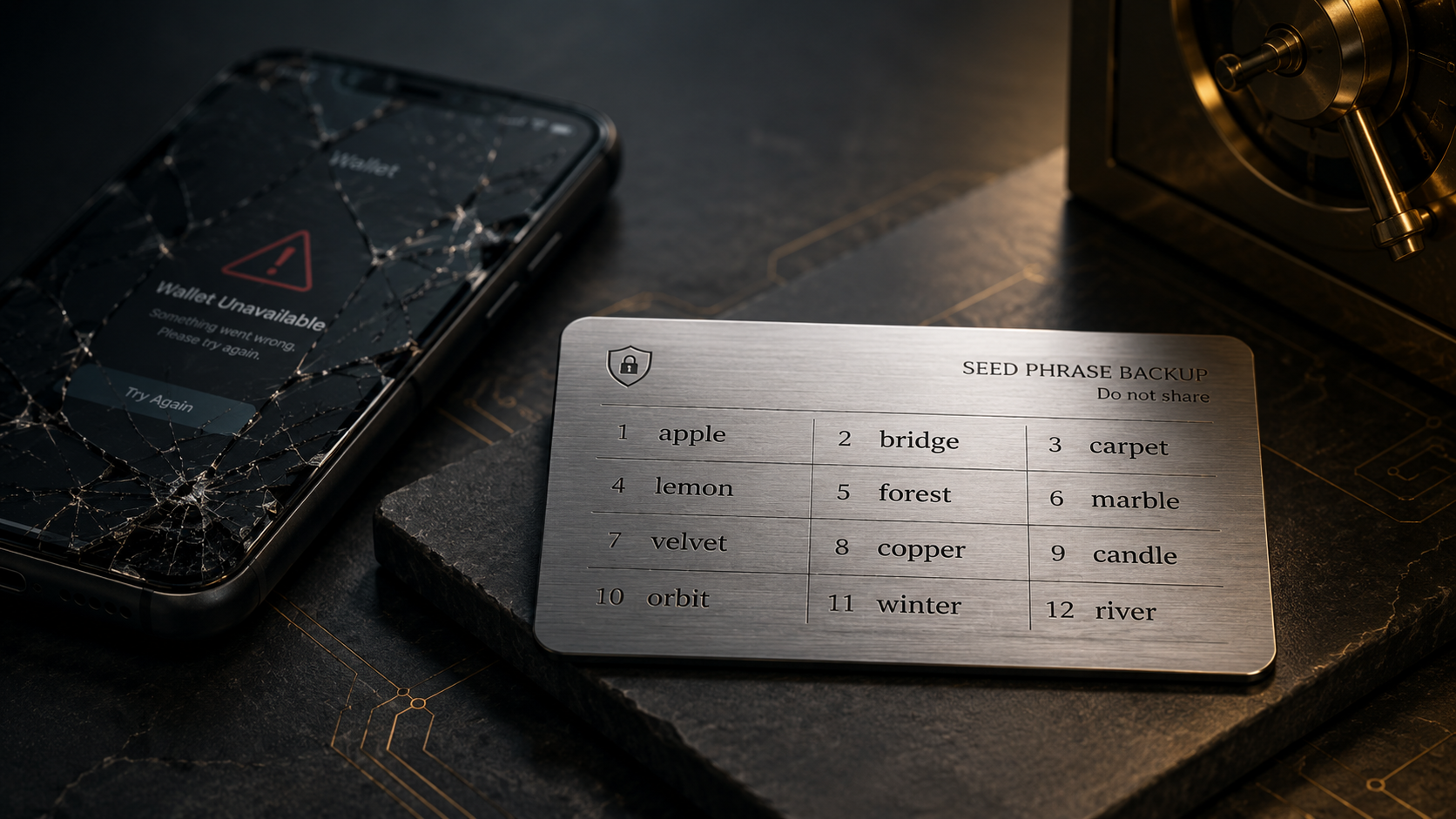
They download a wallet, click “Create Wallet,” write down their recovery phrase on a piece of paper… and then forget where they put it.
A year later, their crypto may be worth significantly more, but access to the wallet is gone forever.
That’s why you should always:
- Store your recovery phrase separately from your device
- Never share it with anyone
- Avoid keeping screenshots on your phone
- Enable two-factor authentication whenever available
- Download wallet apps only from official sources
Yes, it sounds basic.
But these simple habits prevent most crypto-related losses.
Which Crypto Wallet Is Best for Beginners?
If you’re looking for simplicity, Ai Isaac Wallet, Trust Wallet and Exodus are excellent places to start.
If you’re interested in NFTs, DeFi, and Web3 applications, MetaMask, Rabby Wallet, and OKX Wallet deserve a closer look.
A fan of the Solana ecosystem? Phantom remains one of the strongest options available.
And if your crypto portfolio has grown into a meaningful investment, it may be worth considering Ledger or SafePal for added protection.
At the end of the day, the most important factor isn’t the wallet’s name.
The best crypto wallet is the one you understand, use confidently, and secure properly.
Crypto gives people something powerful: full control over their money.
That sounds great – and it is.
But with that freedom comes responsibility. Choosing a wallet isn’t just about downloading an app. It’s your first real step into the world of cryptocurrency.