The EU sanctions list agreed on 7 October originally carried Russia’s Solikamsk Magnesium Plant and its director general Ruslan Dimukhamedov – until Estonia fought both names out at the final hour, because the Sillamäe processor NPM Silmet, a critical node for Europe’s permanent magnets, EV motors and military drones, runs on Solikamsk feedstock [1]. Sanctions policy just published its own dependency map. Free of charge.
In this article:
- The carve-out and the chain behind it
- My playbook: trading sanctions headlines without gambling
- Risks and contradictions: what the exemption admits
- FAQ
- Final thoughts
The carve-out and the chain behind it
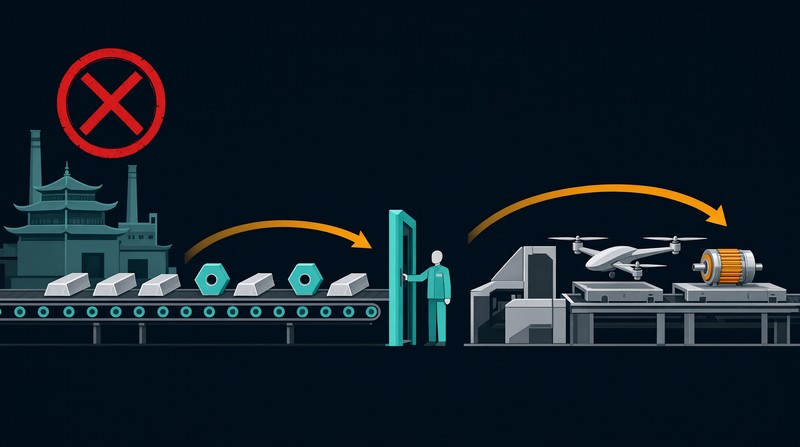
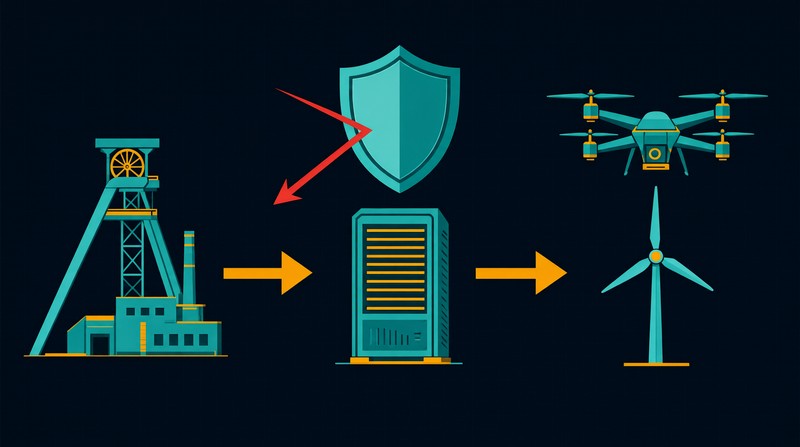
Strip the politics and the file is a three-node supply chain with one chokepoint. Node one: Solikamsk Magnesium Plant in Perm Krai, part of Rosatom, one of the world’s few producers of high-purity magnesium and rare-metal feedstock [2]. Node two: NPM Silmet in Sillamäe, a Neo Performance Materials subsidiary and one of Europe’s largest rare-metal processors – a supplier even CERN lists by name [3]. Node three: everything downstream, from permanent magnets and e-motors to wind generators and the UAV line Europe is rearming on [4].
None of this dependency is new. Back in 2022, when the first draft lists circulated, Neo’s own management flagged that curbing Solikamsk would curb Silmet’s feedstock, and contingency planning started then [4]. What is new is the politics: the July 21st package already designated 37 entities tied to long-range drone supply chains [5], and the October draft went further – straight at the feedstock itself. Estonia, of all members, pressed the brake. A country that runs its own national sanctions on oligarchs the EU delisted [6] just spent political capital to keep a Rosatom plant off the list. Read that twice.
My playbook: trading sanctions headlines without gambling
Sanctions headlines move prices before annexes move them. My rule since 2022: never trade the headline, trade the annex. Five steps, in order. Open the draft annex and search entity names before any tweet does. Map the chain – feedstock, processor, downstream – and find which node your instrument actually prices. Treat every carve-out as revealed dependency data: exemptions tell you where Europe hurts. Pick the instrument that isolates the node: processor equity for node two, magnesium-aluminium spreads and defence primes for node three. Then calendar the formal adoption date and the review clause, because drafts are not law and law gets amended.
A case from my journal, wins and losses included. In March 2022, when Solikamsk first appeared in leaked draft language, I bought call spreads on a Toronto-listed rare-earth processor at $0.90 per contract, sized to risk 1.2% of the book. The listing never landed; I closed nine days later at +38%. In 2024 I ran the identical trade on a fresh rumor and gave back 11% in two weeks – because I skipped step one, and the annex already carried an exemption footnote I had not read. The annex is the trade. Everything else is noise with a flag on it.
| Scenario | Probability | What the tape does |
|---|---|---|
| Carve-out holds through formal adoption (mid-October) | 60% | Rare-earth processors breathe out; Neo-type equities grind higher; magnesium premium fades |
| Listing returns in a later package | 25% | Processor stocks gap down on feedstock risk; defence primes bid on stockpiling; EUR softens on supply shock |
| Formal adoption slips past October | 15% | Headline churn, no trend; spreads whipsaw both ways |
Risks and contradictions: what the exemption admits
Carve-outs buy continuity and spend credibility. Every exemption teaches Moscow exactly which European factory depends on which Russian plant – a targeting list written by the sanctioning bloc itself. Critics inside and outside the EU have been saying exactly this about exemption regimes since 2023, when Estonia alone issued around 200 sanctions exemptions [7]. The October episode does not refute them. It documents them.
Then the strategic layer. Europe’s drone-magnet chain still runs through a single plant in Perm Krai. Not a diversified panel of suppliers. One plant. If the listing returns next package with no stockpile and no alternative qualification, node two idles and node three queues. That is not a sanctions failure; that is an industrial policy failure wearing a sanctions costume – the same logic we saw when China’s CXMT IPO ripped through US chip equities earlier this year (read the case here).
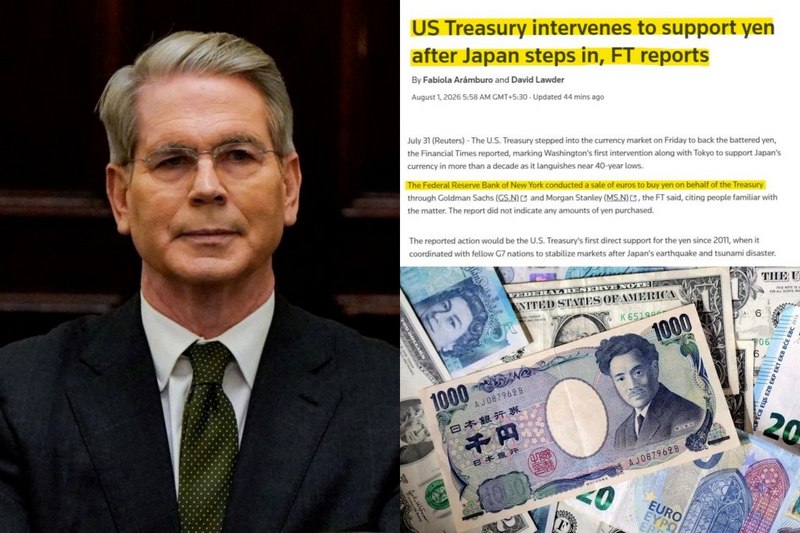
The counter-argument deserves equal weight, because the alternative is not free. Sanctioning your own defence supply chain mid-rearmament is self-sanctioning with extra steps. Estonia chose magnets over symbolism, and given what those magnets fly in, I struggle to call it cowardice. The honest read: both sides of this trade pay something, and the carve-out merely chooses who pays first. The same trade-off showed up when the US Treasury fired its yen-intervention weapon and markets shrugged (the breakdown).
Frequently Asked Questions
Why did Estonia ask the EU to exclude Solikamsk Magnesium Plant?
Because Estonia’s NPM Silmet plant in Sillamäe depends on Solikamsk feedstock to produce rare metals and materials for permanent magnets, electronics and e-motors used across European EV, wind and military drone supply chains. Sanctioning the supplier would idle the European processor.
What was removed from the EU sanctions list agreed on 7 October?
Two names: the Solikamsk Magnesium Plant itself and its director general Ruslan Dimukhamedov, both dropped from the draft list at Estonia’s request before formal adoption, which is expected around mid-October 2026.
Is Solikamsk Magnesium Plant part of Rosatom?
Yes. The plant sits inside the Rosatom state corporation structure, which makes the carve-out politically sensitive: the EU exempted a node of a state nuclear giant to protect a defence-adjacent supply chain.
Why does NPM Silmet matter to European defence?
Silmet, a Neo Performance Materials subsidiary, is one of Europe’s largest rare-metal and rare-earth processors, supplying materials for high-performance permanent magnets and electronics used in UAVs, and it counts even CERN among its partners. It is the continent’s only processor at this scale.
What does a sanctions carve-out signal to markets?
Revealed dependency. Exemptions mark the exact nodes where European industry cannot absorb a cutoff, so they price as supply-risk indicators: processor equities rally on carve-outs and sell off when listings return, while downstream defence names move on stockpiling expectations.
Final thoughts
Sanctions used to be written as if the sender’s economy stood outside the page. The October draft proved otherwise: Europe sat down to punish a supplier and discovered it had scheduled an appointment with its own drone program. Carve-outs are not loopholes in this story. They are the honest part – the paragraph where policy admits what industry already knew. Read every exemption list as a dependency map, because that is exactly what it is, and the next one will be published whether or not you are positioned for it. Disclaimer above stands; nothing here is a recommendation, and the annex, as always, is the trade.