⚠️ Risk disclaimer: This article is information, not individual investment advice. Currency trading carries a risk of losing your entire capital.
Japan spent 15.4 trillion yen, roughly $98.7 billion, defending its currency between July 30 and August 26, the largest intervention window on record, per Finance Ministry data
www.mof.go.jp
. Add the spring round and 2026 total spending now tops 27 trillion yen, nearly double the previous annual record set in 2024. The buys dragged USD/JPY from 164 to 155.2, and the pair has held 155 to 156 into early September
www.japantimes.co.jp
Three weeks ago we reported that the US Treasury had finally joined the trade. Now the invoice is public, and it is bigger than anyone modeled. If you missed that part, start here: US Treasury Just Fired Its Biggest Currency Weapon. The Yen Is Rallying. The saga reads better in order.
The Ministry of Finance posted the number on August 28: 15,399.3 billion yen for a single four-week window
www.mof.go.jp
. For scale, that one operation dwarfs the entire 2024 campaign, which until this year held the annual record at roughly 15 trillion yen. Here is what the receipts actually tell us about the yen trade into Q4.
The numbers behind the record
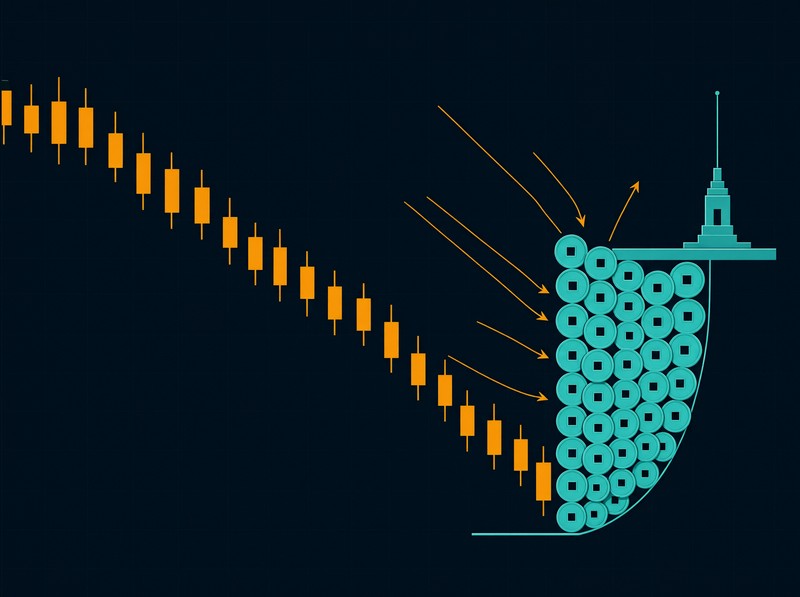
The Finance Ministry confirmed 15.4 trillion yen ($98.7B) of yen-buying between July 30 and August 26, part of it coordinated with the US Treasury. Combined with the 11.73 trillion yen spring round, 2026 spending exceeds 27 trillion yen, almost twice the 2024 annual record. USD/JPY moved from 164 to 155.2 and has since parked at 155 to 156.
- ¥15,399.3 billion – the official MOF figure for the July 30 to August 26 window, the largest monthly release since the data series began
www.mof.go.jp - $98.7 billion – the dollar equivalent at August’s average rate, enough to buy a mid-sized central bank’s entire reserve portfolio.
- ¥27+ trillion – the 2026 running total once you add the spring round of ¥11.73 trillion (April 28 to May 27)
www.mof.go.jp - ~2x – the ratio to the 2024 annual record, broken in eight months, not twelve.
- 164 → 155.2 → 155-156 — the price path: a violent squeeze during the operation, then a flatline once the official bids stepped away in early September
www.cnbc.com - “A couple more rounds” – Goldman Sachs’ August estimate of Japan’s remaining firepower at the same scale
www.cnbc.com
Comforting, until you do the math on how fast rounds get consumed.
Why this round hit harder than the spring one
The spring intervention was Tokyo alone, spending 11.73 trillion yen to slow a slide past 160. The summer operation added a second pocket: coordinated US-Japanese yen buying, which changed the credibility math. When the world’s two deepest balance sheets stand on the same side of the book, carry traders stop testing the level for weeks, not days.
That was the whole thesis of part 1 of this story: the ESF weapon matters less for its dollars than for its signal. August proved it. The spring round bought a bounce that faded in days. The summer round bought a three-week trend move and a stable 155 handle into September.
What the market learned, and what it ignored
Intervention moved the price but not the trend. USD/JPY fell nine figures’ worth of pips in days, then flatlined at 155 to 156 because the driver never changed: a 275 basis point gap between the Fed’s 3.75% and the BoJ’s 1.00%. Carry is still paid to be short yen. The MOF is now simply the most expensive buyer in the market.
- The decay was fast. Most of the 164 to 155.2 move happened inside the operation window. After August 26 the pair stopped improving on its own.
- Carry did not die. At 155 with the Fed on hold, a short-yen position still earns the rate gap every night it stays open.
- Tokyo is now the marginal bid. Every dip toward 155 meets official yen-buying, which turns a price level into a policy line.
- The fix is still a rate story. The September 16 FOMC dot plot and the September 18 BoJ decision can move this pair more than any single intervention day, and both are tracked in our H2 2026 financial calendar.
Three paths for USD/JPY into year-end
Base case keeps the pair in a 152 to 158 corridor with the MOF on verbal duty. A hawkish September FOMC reopens 160 to 162 and forces a third round. A BoJ surprise or Fed pivot unwinds carry and drags the pair to 148 to 152 without Tokyo spending another yen.
| Scenario | Probability | Path |
| Managed corridor | 55% | USD/JPY grinds inside 152-158; MOF spends only above 158; BoJ delivers one hike in Q4 |
| Round three | 30% | September 16 dots stay hawkish; dollar bids return; pair retests 160-162; MOF and ESF deploy another 10-15 trillion yen |
| Carry unwind | 15% | BoJ surprises hawkish on September 18 or the Fed signals cuts; positioning flushes; 148-152 with no official money spent |
My read: the record is a confession, not a victory
I have traded USD/JPY through three intervention cycles since 2022, and the pattern never lies: official buying rents the trend, it does not reverse it. Spring round, summer round, same slope six weeks later. So here is my unpopular take. The 27 trillion yen total is not a show of strength. It is an admission that neither Tokyo nor Washington can yet fix the root cause, which is the rate gap, not the exchange rate.
What I am doing with that: my book carries no directional yen position into September 16. Event-week vol is priced too cheap for my taste, and our algo handles FOMC windows better than my thumbs do (full disclosure: it is our own GPTBot build, year-one track record here). If the pair prints 158.5 after the FOMC, I want to watch whether verbal checks escalate before I touch a position.
If you missed why Washington joined this trade in the first place, part 1 is the setup, and the September updates will keep landing on the calendar hub. Keep your stops wide this month. Official flows do not respect yours.
Frequently Asked Questions
How much did Japan spend on yen intervention in August 2026?
The Finance Ministry reported 15,399.3 billion yen, about $98.7 billion, of yen-buying for the July 30 to August 26 window, the largest single intervention period on record. Part of the operation was coordinated with the US Treasury, the first confirmed joint US-Japanese yen defense of this cycle.
What is Japan’s total yen intervention for 2026?
More than 27 trillion yen. The summer window added 15.4 trillion on top of the 11.73 trillion yen spring round of April 28 to May 27. That total is nearly double the previous annual record of roughly 15 trillion yen set in 2024, and the year is not over yet.
Did the August intervention work?
Temporarily. USD/JPY fell from 164 to 155.2 during the operation and has held 155 to 156 into early September. But the underlying driver, the rate gap between the Fed at 3.75% and the BoJ at 1.00%, is unchanged, so carry traders keep rebuilding short-yen positions on every rally.
Will Japan intervene again if USD/JPY returns to 160?
History says yes. Tokyo defended 160 in spring and 164 in summer, and Goldman Sachs estimated in August that Japan retains firepower for a couple more rounds of similar size. Expect verbal checks first around 158, then actual yen-buying if the level breaks with momentum.